9. Comparing humans and puppets
Exhibit text
Puppet in an X-Ray
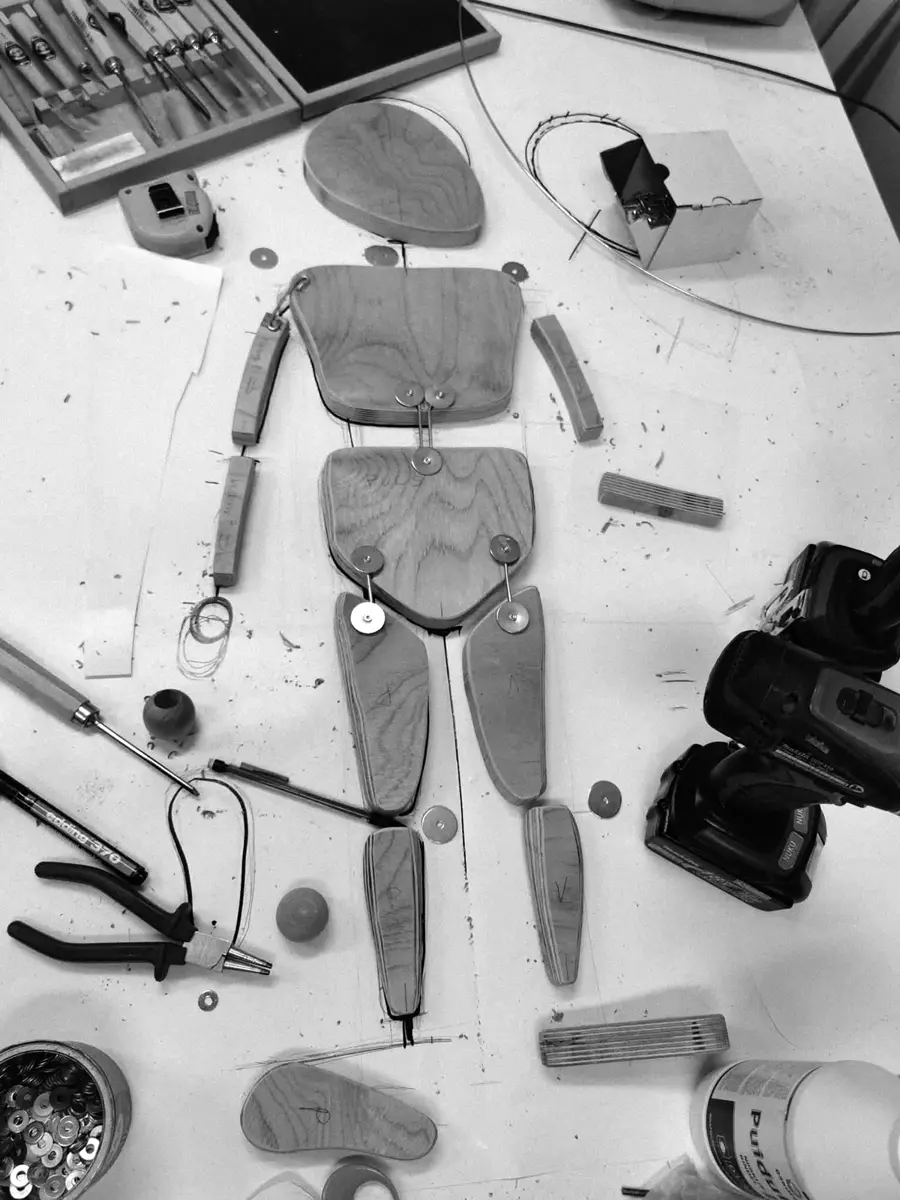
Have you ever wondered what a puppet is actually made of and how it begins to move on the stage? This exhibition lets you peek inside a puppet and discover what is hidden under its exterior.
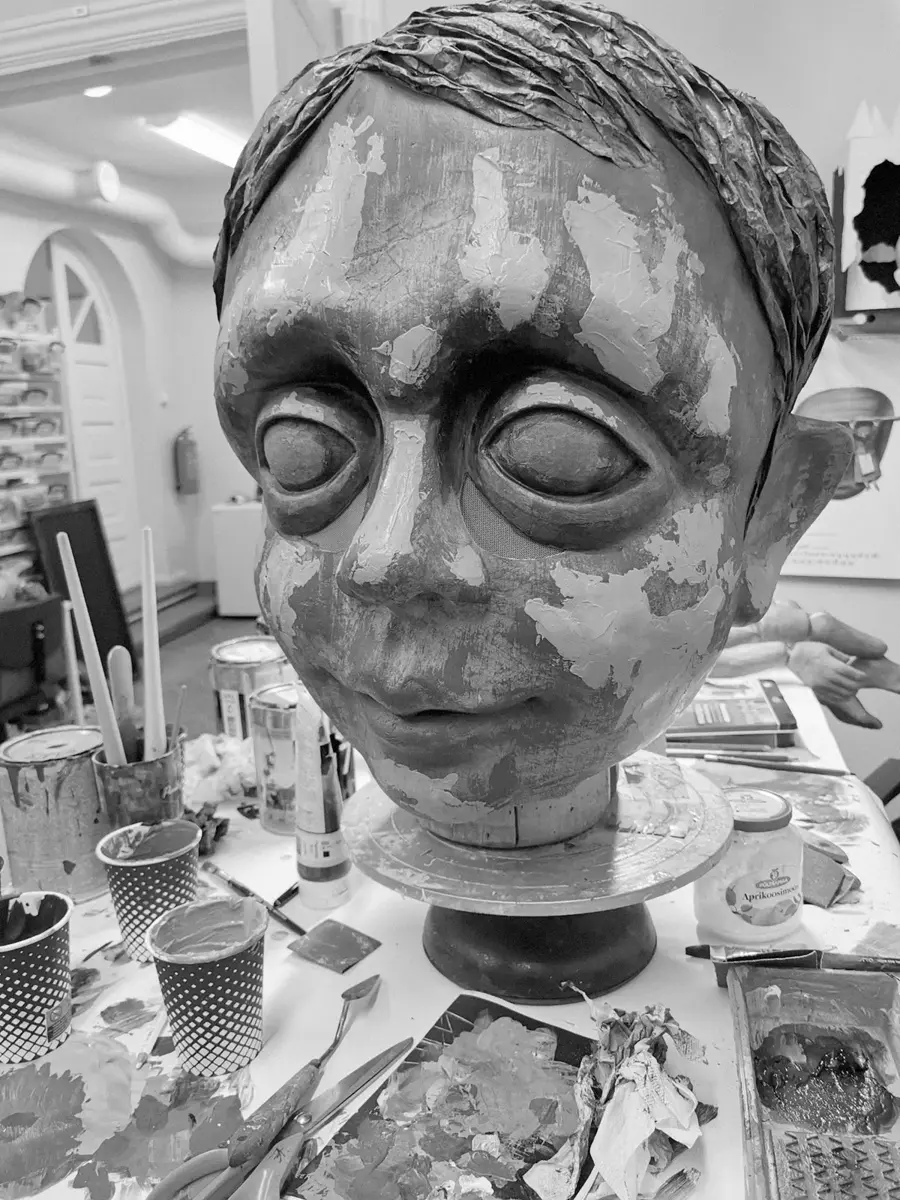
The material of a puppet is never random. The choice depends on the designer's idea as well as the story that the puppet tells on the stage. Some puppets have to be light and airy, while others must look heavy and grandiose. Sometimes it is the material that determines in which way and how freely a puppet can move. Puppets can be made from anything that happens to be at hand. On the stage, a little imagination gives life and meaning to even the most unexpected of materials.
The exhibition displays puppets that are somewhat like humans. Visitors can compare them to the human body and see if and how the puppets have been given bones, muscles, eyes or even teeth.
The X-rays of puppets reveal materials, joints and complex mechanisms hidden under their exterior. When comparing the X-rays of humans and puppets, a puppet may seem strange or even "sick" at first glance – some puppets resemble a human suffering from pneumonia, others seem to have had several major surgeries.
The exhibition offers a behind-the-scenes look at puppet making that is otherwise not visible to the audience. Visitors can try their hand at building a puppet and examine the mechanisms hidden inside the puppets.
The travelling exhibition grew out of the Museum of Puppetry Arts' exhibition Puppet Anatomy in Tallinn, Estonia and its satellite exhibition at a puppetry festival in France. The X-rays displayed at earlier exhibitions can also be seen at the current exhibition.
X-ray
X-ray is electromagnetic radiation, just like visible light. But X-rays have much higher energy, which is why they can go straight through most materials. X-rays are in small amounts also present in our everyday environment, for example during air travel we are exposed to cosmic radiation.
X-rays were discovered by German physicist Wilhelm Röntgen in 1895. His experiment demonstrated that these unknown or "X" rays can pass through opaque materials, without reflecting or refracting. Röntgen realised the practical value of his discovery – he had found a way to examine internal organs without cutting open the body. This was a major breakthrough in medicine.
Nowadays, X-ray examinations are a common tool in medical diagnostics. X-ray scans are taken by radiographers. The result is a digital image that gives the radiologist and the attending physician information that is necessary for the patient's treatment.
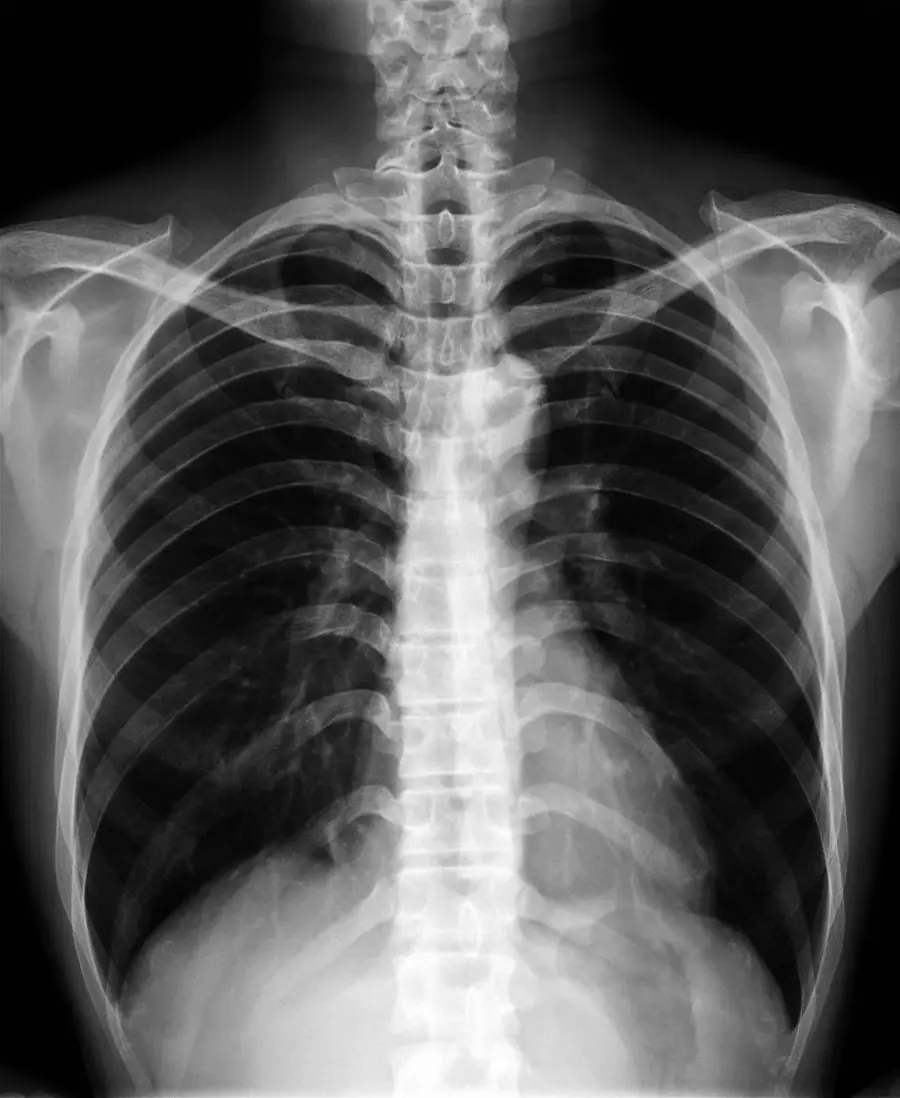
An X-ray passes through the human body and is absorbed differently in different tissues. In an X-ray image, denser materials such as bones containing calcium make a strong contrast with the background, whereas materials with lower density, such as fat, muscle and air-filled spaces like lungs, absorb less X-rays and appear as various grey shadows in the image. Skin contours are visible, because skin is denser than air. X-rays are helpful in examining the state of bones, even small fractures become visible. On the other hand, the state of ligaments or muscles around the bone is difficult to assess with an X-ray.
As human lungs contain a lot of air, X-rays are also used to assess the condition of the lungs. If the air sacs in the lungs are filled with something other than air – for example if the patient has pneumonia or a tumour – the change becomes visible against the surrounding air.
X-rays also make it possible to detect foreign objects inside the human body if they are made of denser material than what is characteristic to the human body. If a child has accidentally swallowed a coin or a battery, it can be located with an X-ray scan. Wood or plastic, on the other hand, do not stand out against the intestines.
X-ray scans are always made after orthopaedic surgeries to see if the surgery was successful and to check the correct location and position of the metal objects inserted in the body. These screws and plates, joints and wires inserted artificially by doctors, can be quite similar to the bits and pieces that are used to make puppets.
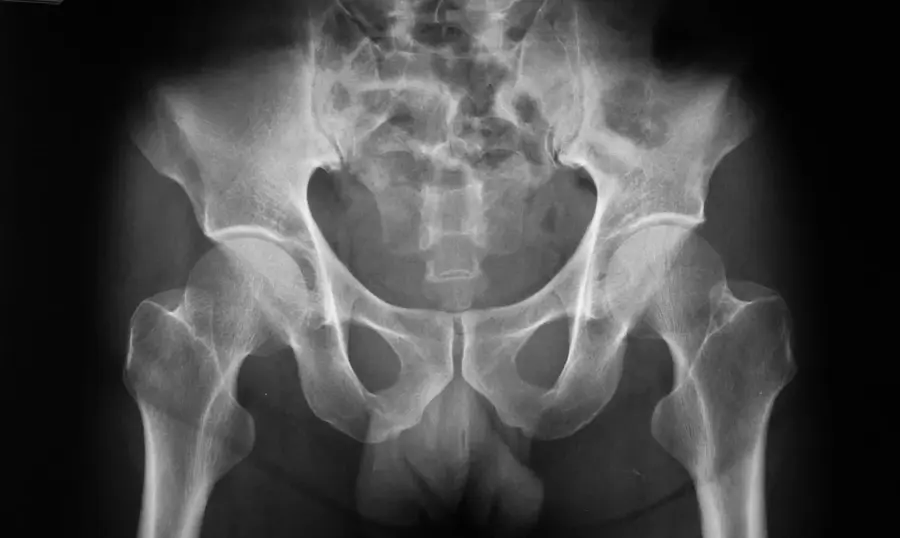
Compare a human and a puppet
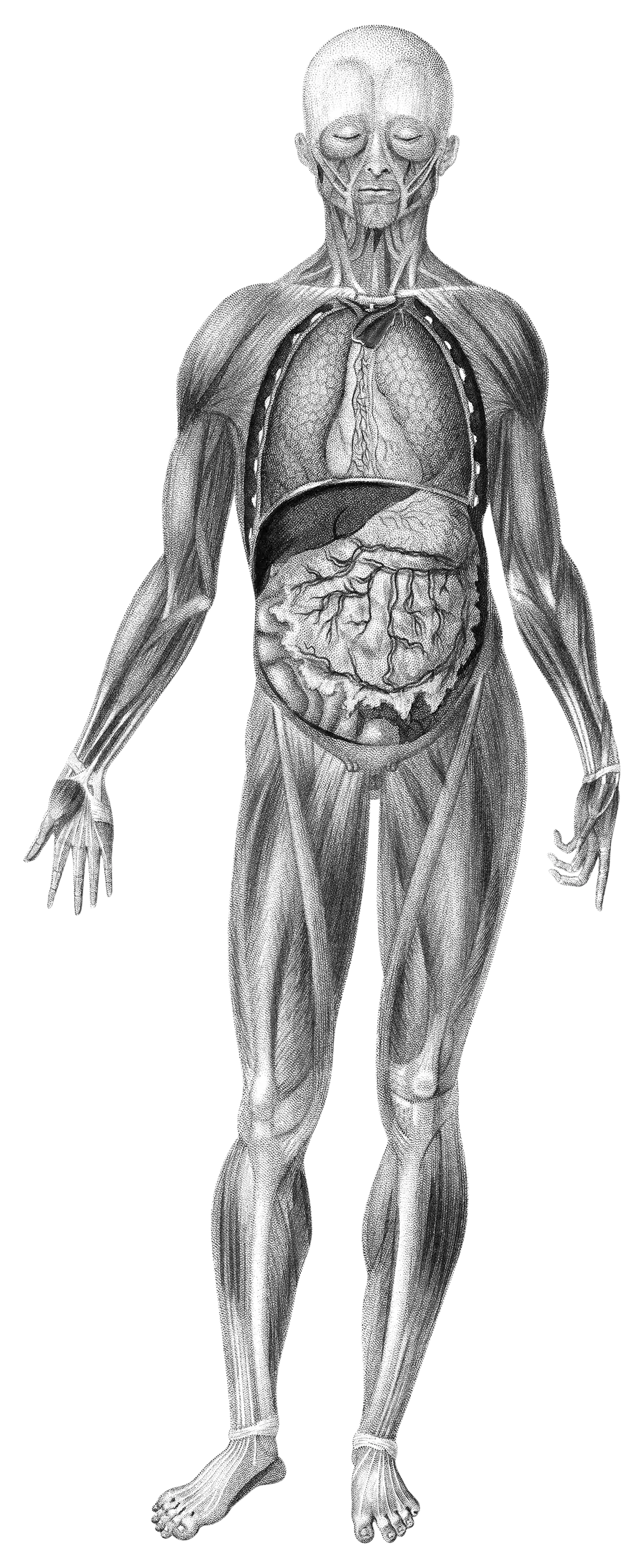
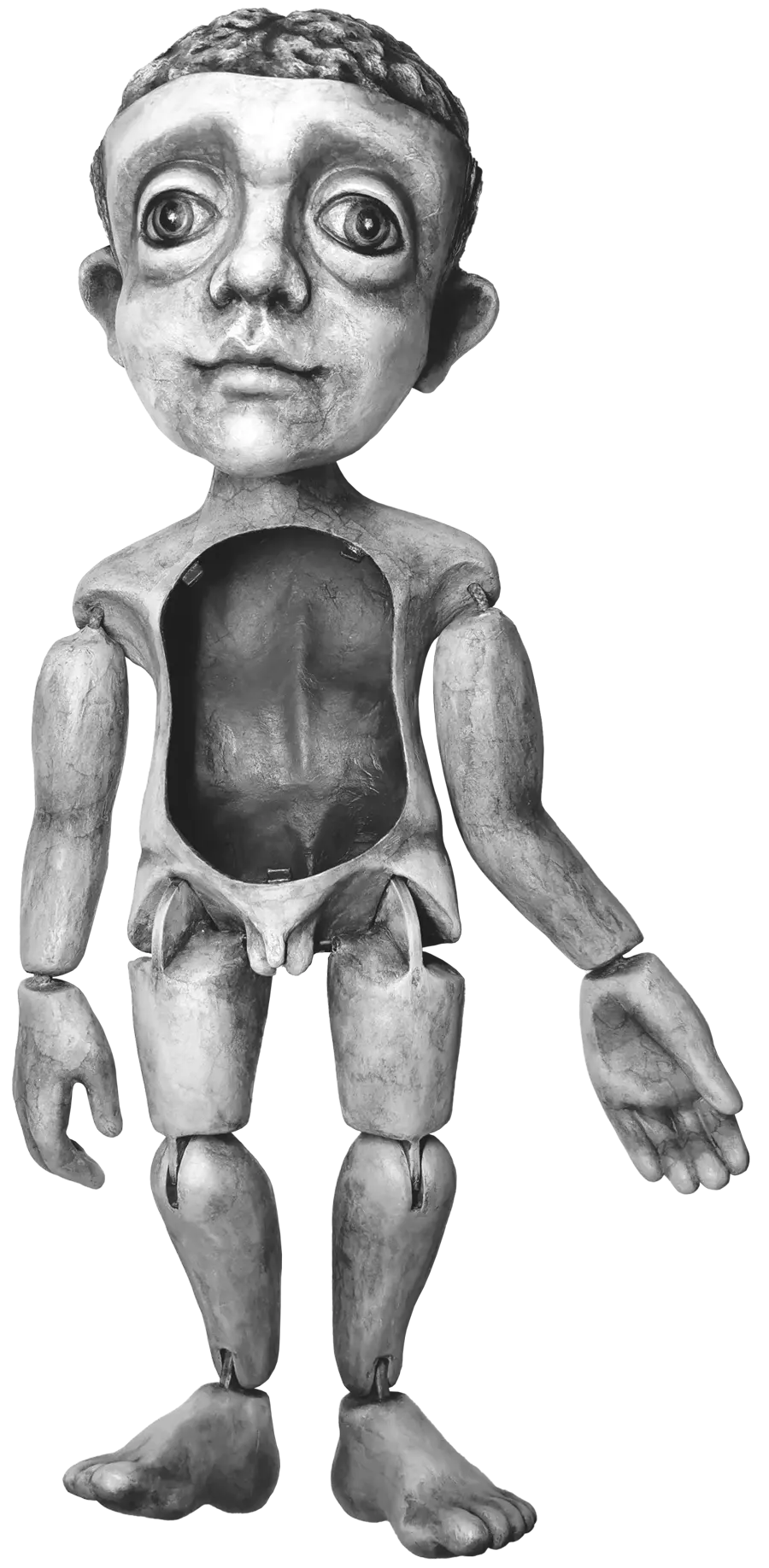
Skeleton
Human
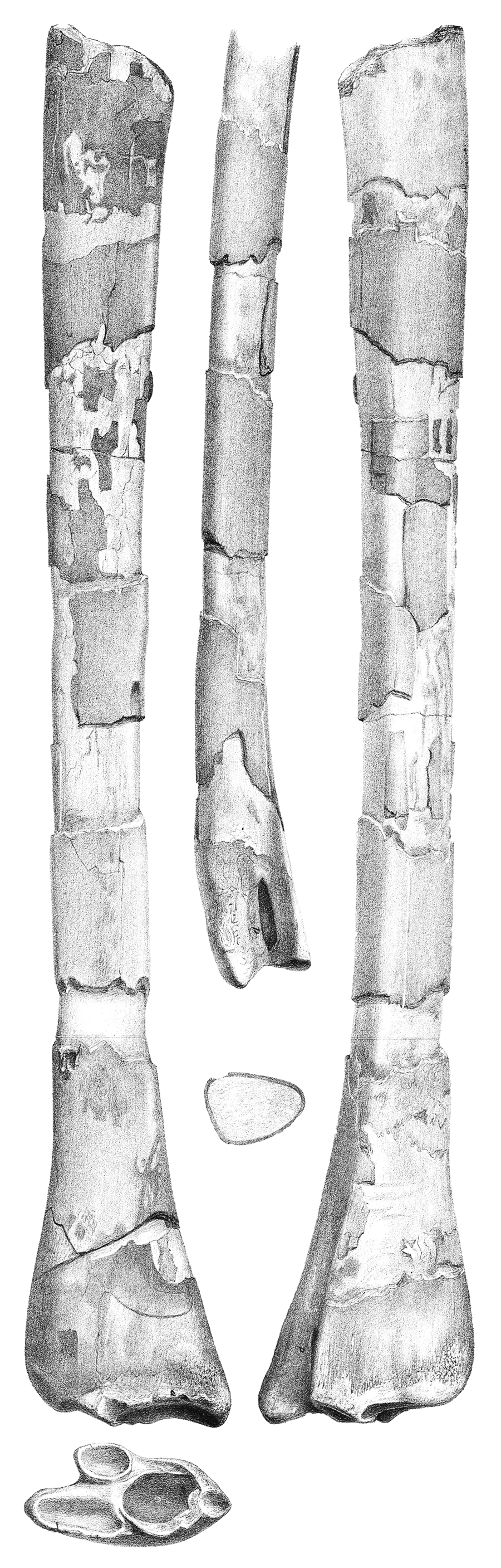
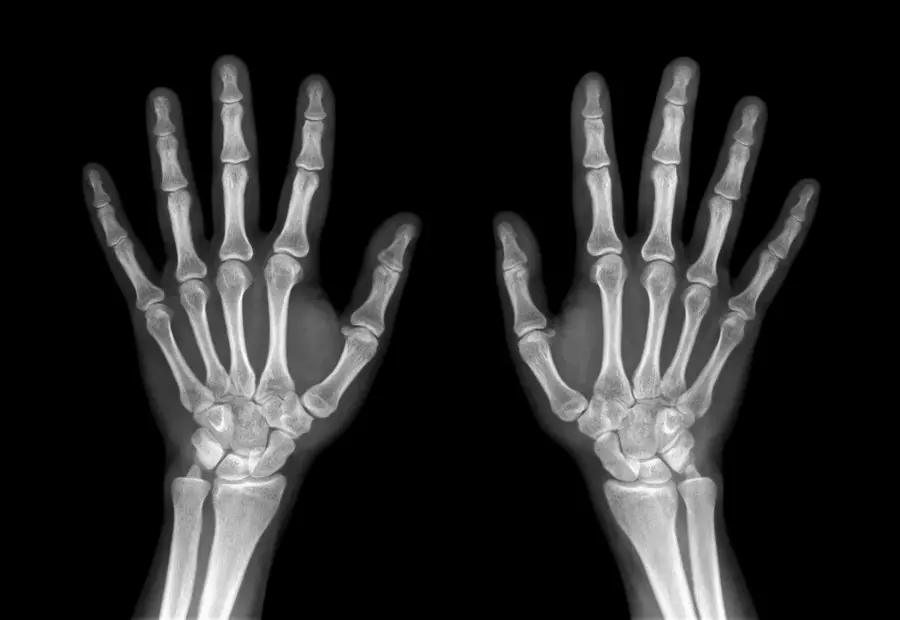
The adult human skeleton is made up of 206 named bones. The body's central support structure is the spine. Bones contain water, fat and other organic and inorganic compounds. The functions of the skeleton include protecting and supporting the body, movement, mineral metabolism and blood formation.
Puppet
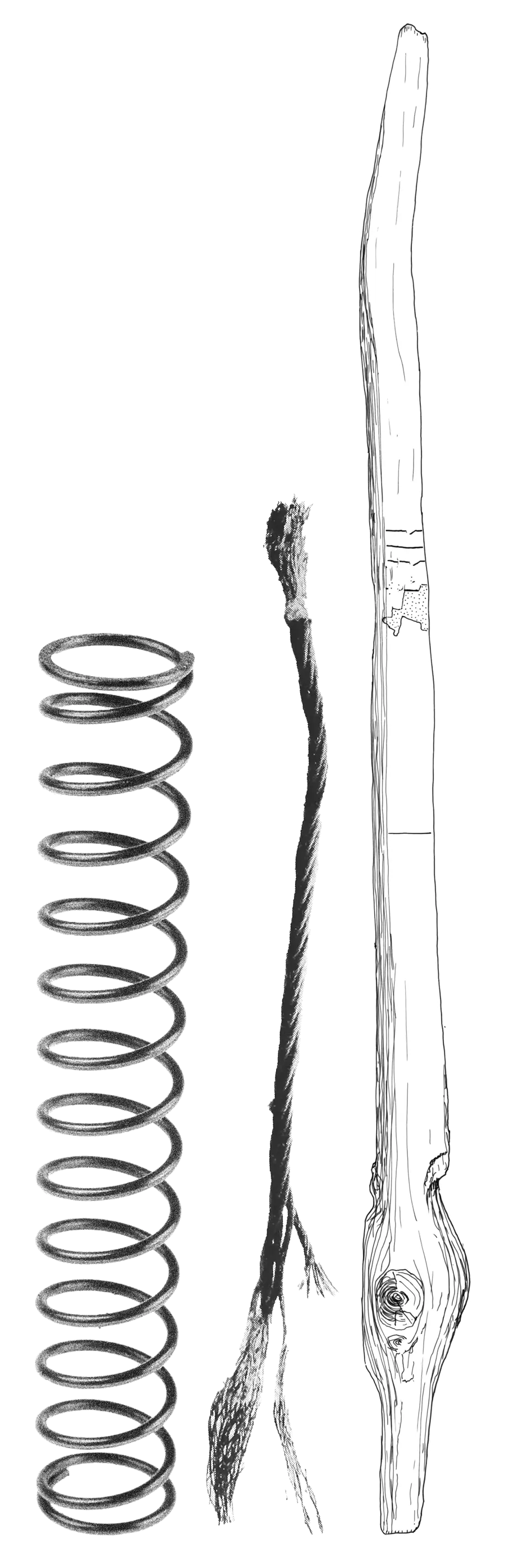
The "bones" of a puppet are usually wires, sticks of wood, springs, strings or plywood. One puppet's skeleton can also be made of different materials. Hardwood is preferred to softwood as it is stronger. Pine is sometimes also used. The skeleton can also be made up of wires of various gauges and sorts. When using a spring, it should be made of special spring wire, which is rigid and under tension. To keep the spring from losing tension, the puppet maker puts a string inside it. Round or flat string can also be used for the skeleton. The difference in the result is largely in the fact that a round string can start spinning, whereas a flat string will not.
Joints
Human
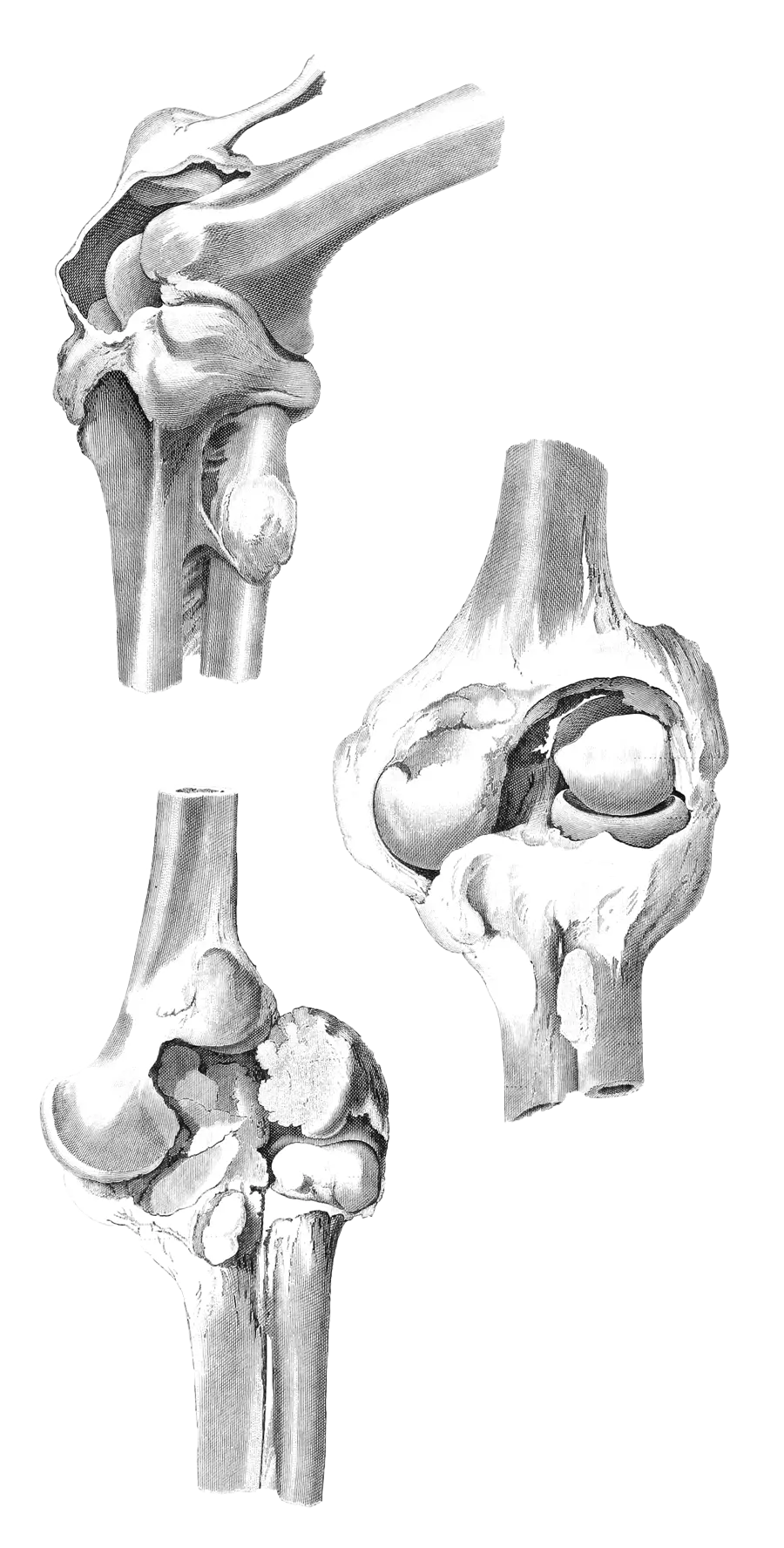
The connection between two or more bones is called a joint. Joints allow the movement, flexibility and stability of body parts.
Puppet
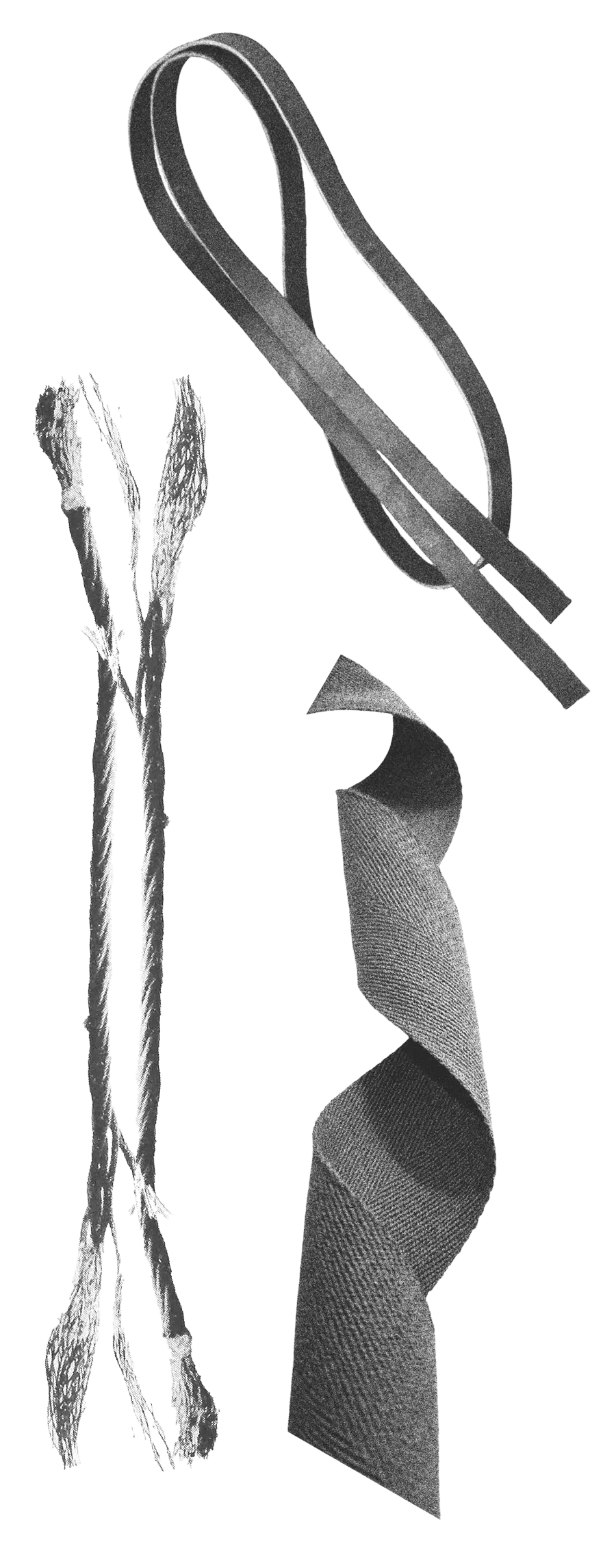
When it comes to puppets, leather strips have been historically a popular choice for creating joints. Over time, leather stretches and therefore has to be replaced from time to time. Nowadays, joints are usually made of webbing straps instead of leather. Joints can also be created with spring hinges, wood joints or strings. Puppets' "joints" are attached to the "bone" with PVA glue or contact adhesive. Nails, staples and screws are also used. Which of the puppet's joints are made movable depends on the wishes of the director and the designer.
Internal organs
Human
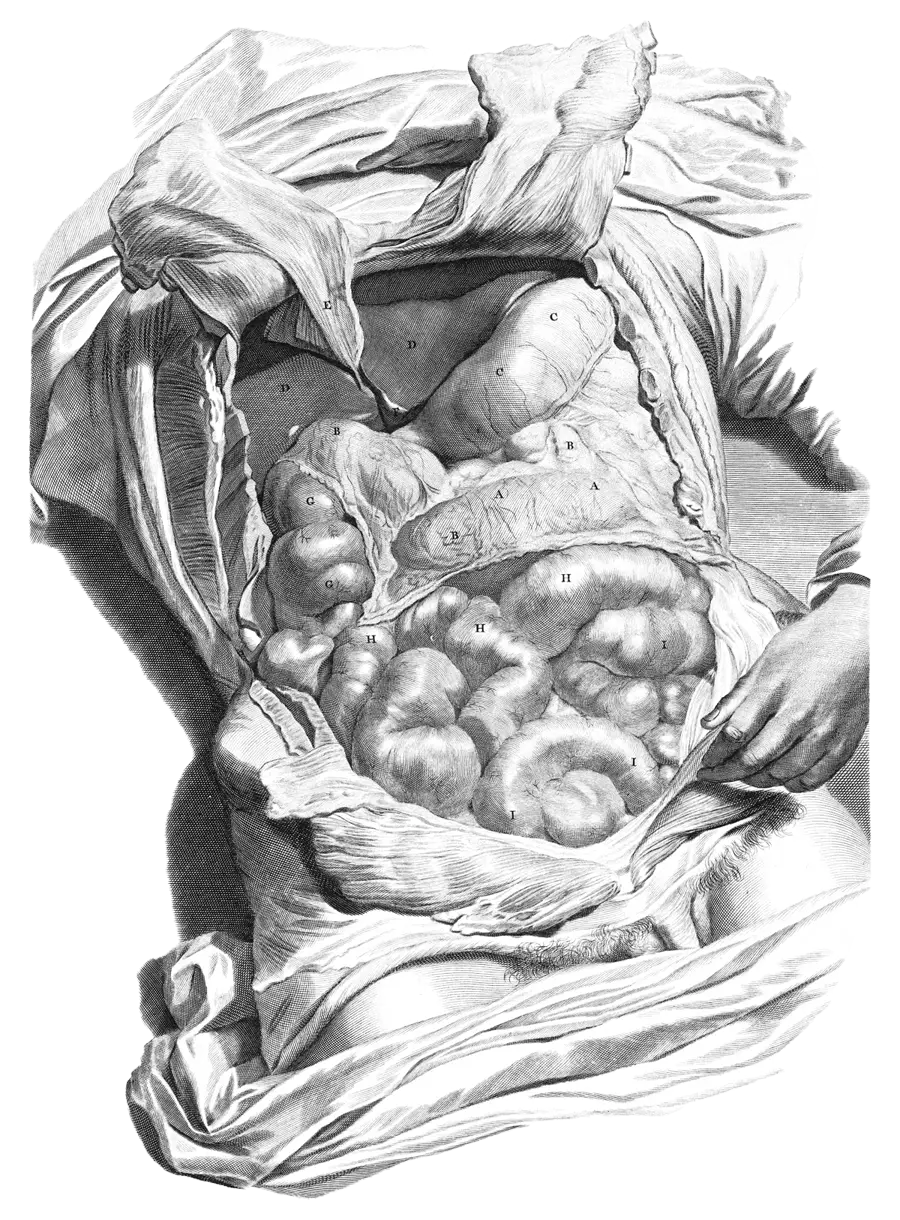
The human body is divided into organ systems with specific functions, which are in turn divided into organs. Organs are made up of tissues consisting of cells with similar structure and function. There are more than 70 chemical elements discovered in the human body. To maintain the balance of essential nutrients, it is important to have a versatile and balanced diet.
One of the main components of the human body is water. Water is necessary for carrying nutrients and oxygen to the cells. Water is the main component of blood cells and blood plasma, which is the liquid that blood cells float in. Nutrients, oxygen and waste are transported by red cells, or erythrocytes, which also contain about 70% water. Water keeps the body temperature stable and protects the vital organs.
Puppet
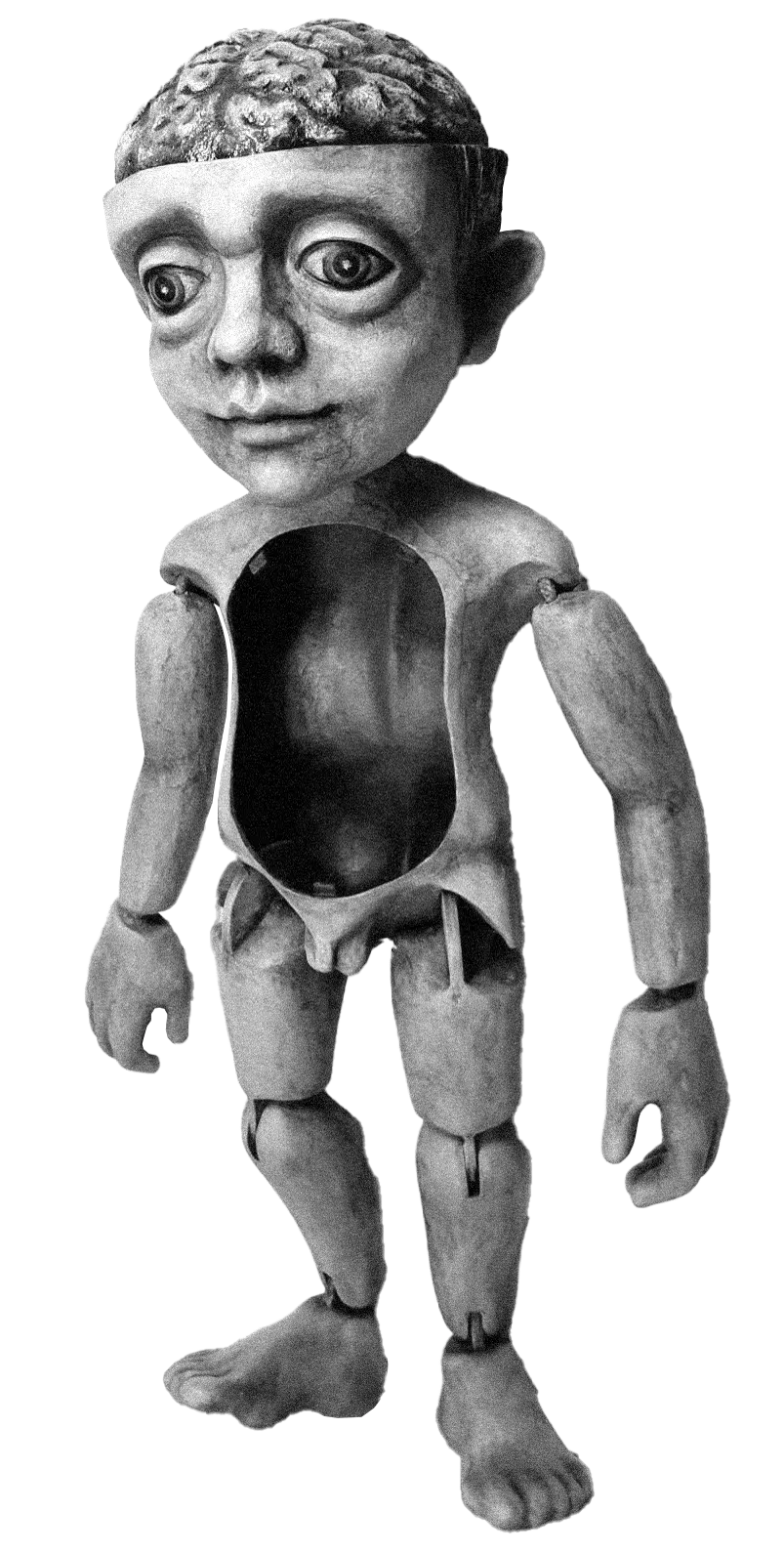
There is usually no need to create internal organs for a puppet. However, when in terms of the story it is necessary to show the internal organs, they are made for the puppet. For example, in the Estonian Theatre for Young Audiences' production The Tin Drum (2023, director Taavi Tõnisson, designer Rosita Raud), the puppet of Oskar was given intestines.
Muscles
Human
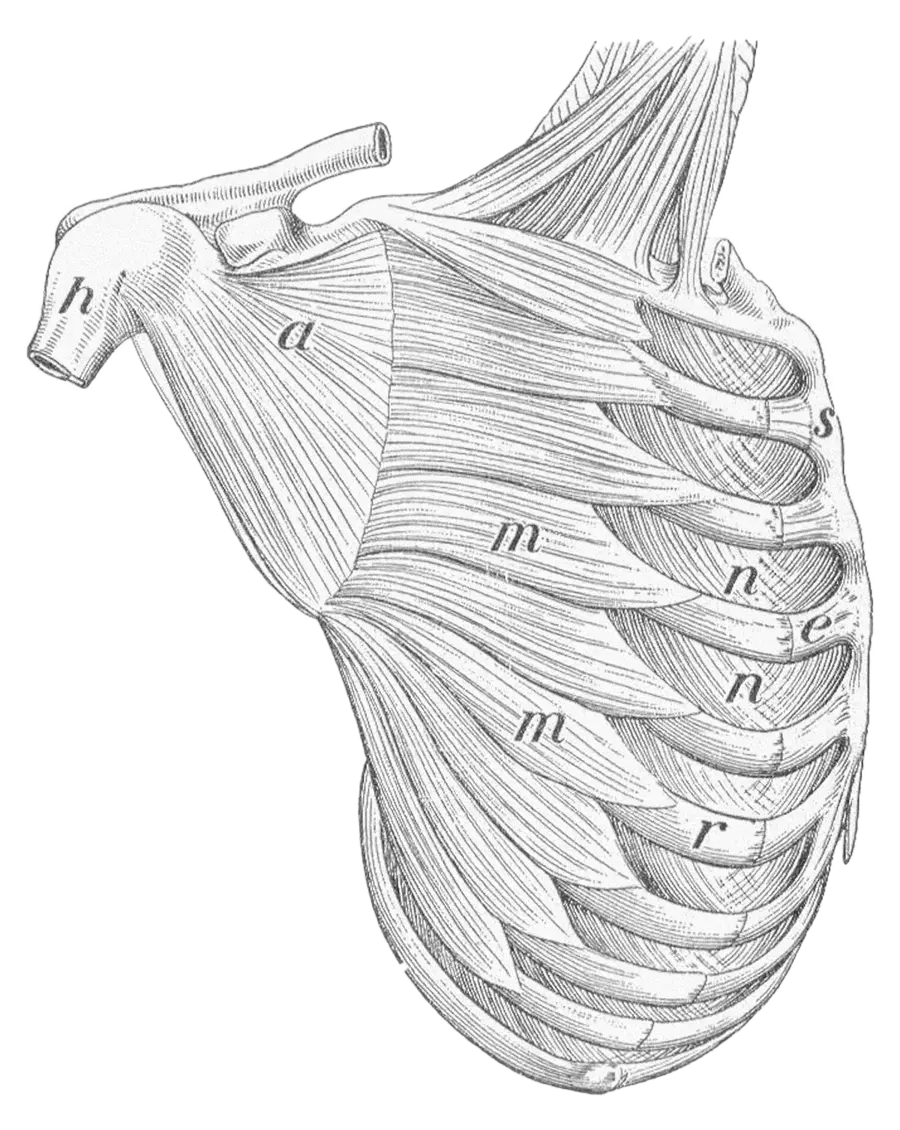
Muscles make our body parts move. Muscles are connected to bones by tendons and (along with bones) give the body its shape. There are more than 600 muscles in the human body. Muscles need energy to work. Muscles must work in pairs to move body parts, producing opposite movements. That is, when one muscle contracts and shortens, the other one simultaneously relaxes and lengthens. This is all controlled by the nervous system.
Puppet
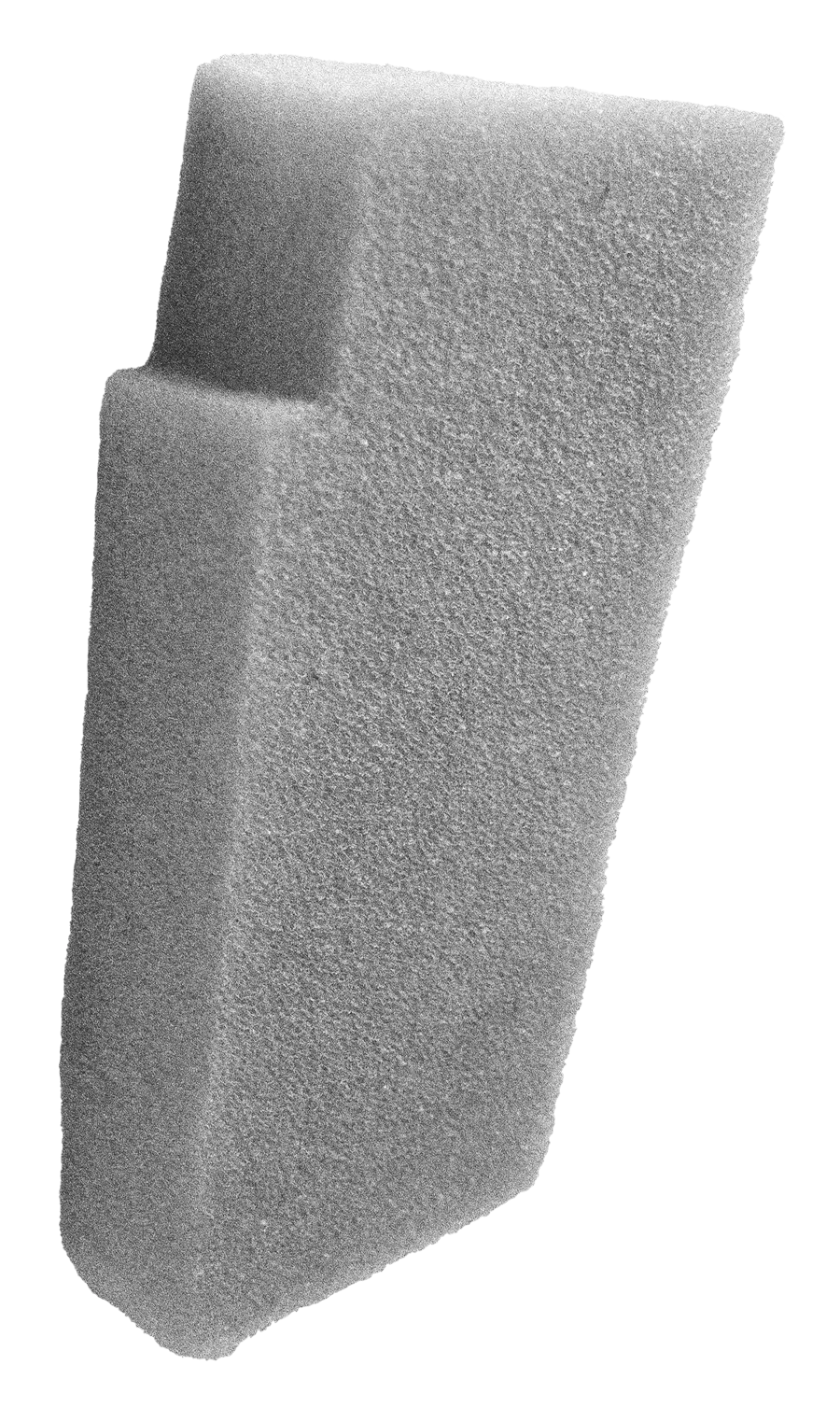
The nervous system of puppets is controlled by puppeteers. So the puppet's movement depends on them. Puppets' muscles are usually made of foam rubber, which gives them volume, lightness and softness. Foam rubber "muscles" are attached to bones with contact adhesive. Muscles can also be made of foam plastic, papier mâché and Styrofoam. Styrofoam is attached with PVA glue and spray foam. Which material is chosen for the muscles depends on whether the general look should be soft or firm.
Skin
Human
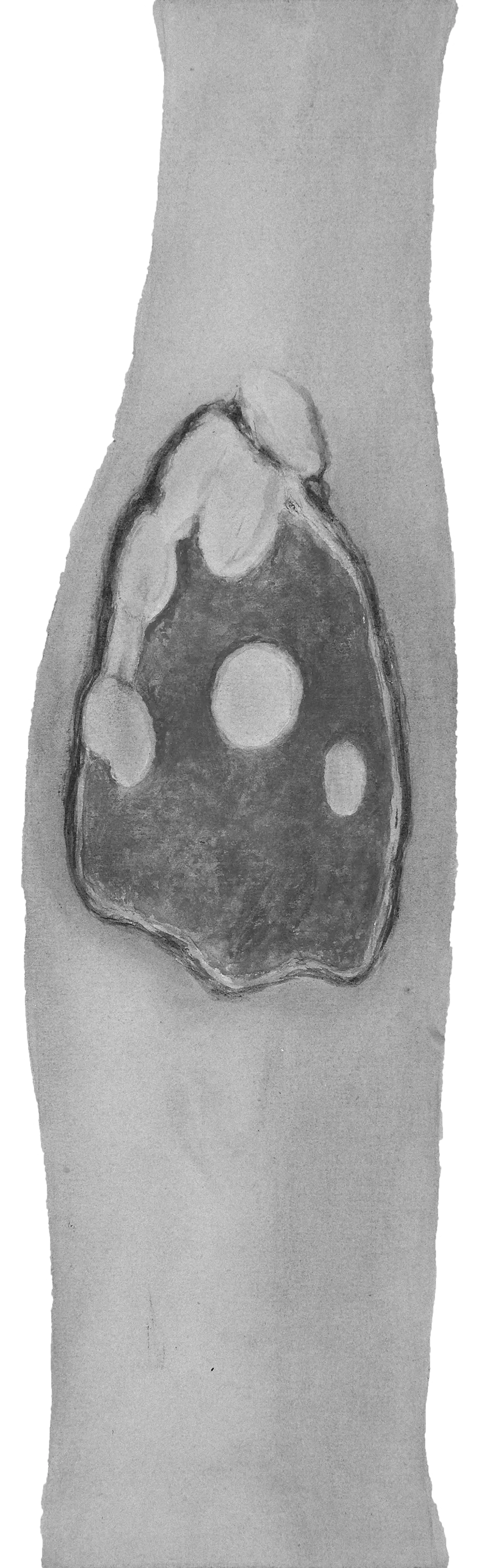
The human body is covered with skin. Skin is the largest and heaviest organ of the human body. Skin has many functions, the main one is protecting the body against harmful external factors and the reception of external stimuli. As a sensory organ, skin helps us to feel the temperature, touch, vibration, but also itching or pain.
Puppet
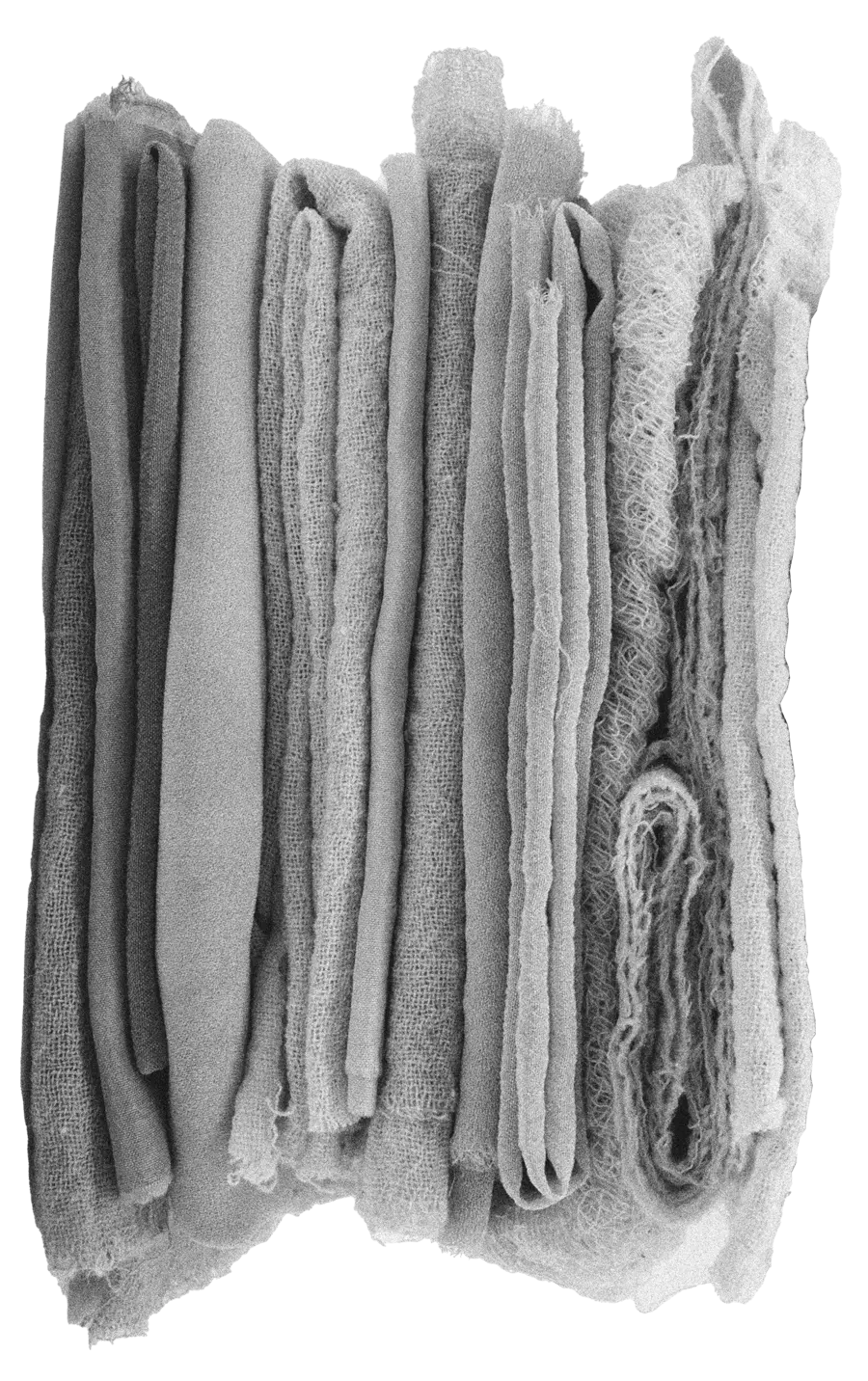
The skin of puppets is often created with fabric. The function of a puppet's skin is to give the puppet its appearance. It is possible to use various textiles, such as burlap. When the "skin" is covered with clothes, it is better to use a more slippery fabric. This way the clothes that the puppet is wearing will move more naturally. Skin protects the puppet's muscles – mostly foam rubber.
Puppets' skin can also be created with real animal skin. For example, in the Estonian Theatre for Young Audiences' production Ronja, the Robber's Daughter (2022, director Taavi Tõnisson, designer Kristel Maamägi) goatskin was used, which is thin, stretchy skin that seems alive in the stage light. Silicone is another material that has the effect of real skin. Sometimes there is no need for a separate material to create the skin and it is simply imitated by a coat of paint. When the puppet's skin is damaged, it is taken to the puppet makers for repairs.
Hair
Human
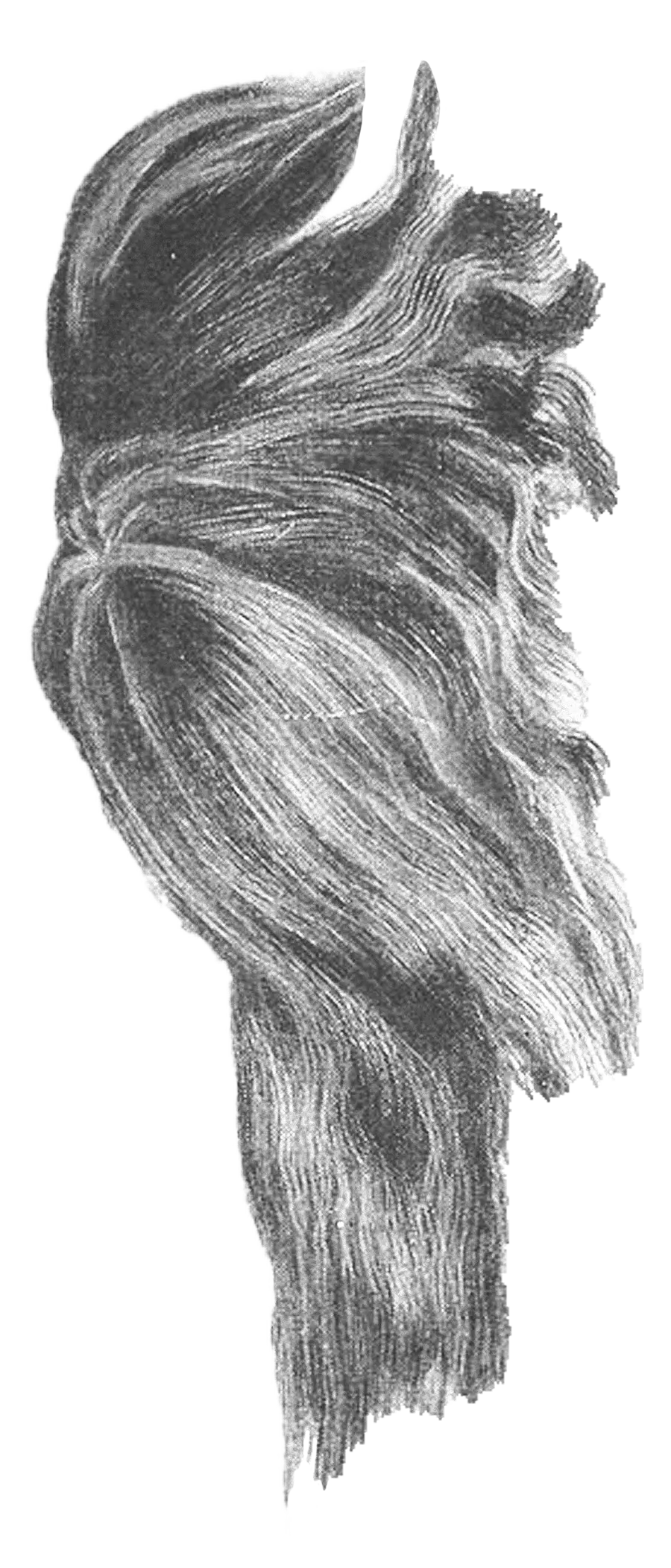
Humans have about 100,000 hairs on their head. Hair grows 2–3 mm each week. Hairs consist of dead cells that contain keratin. The only living part of a hair is the bulb that is situated at the base of the hair follicle. Hair protects the scalp against solar radiation and keeps the head warm. With aging, the pigment in hair decreases and hair turns gray.
Puppet
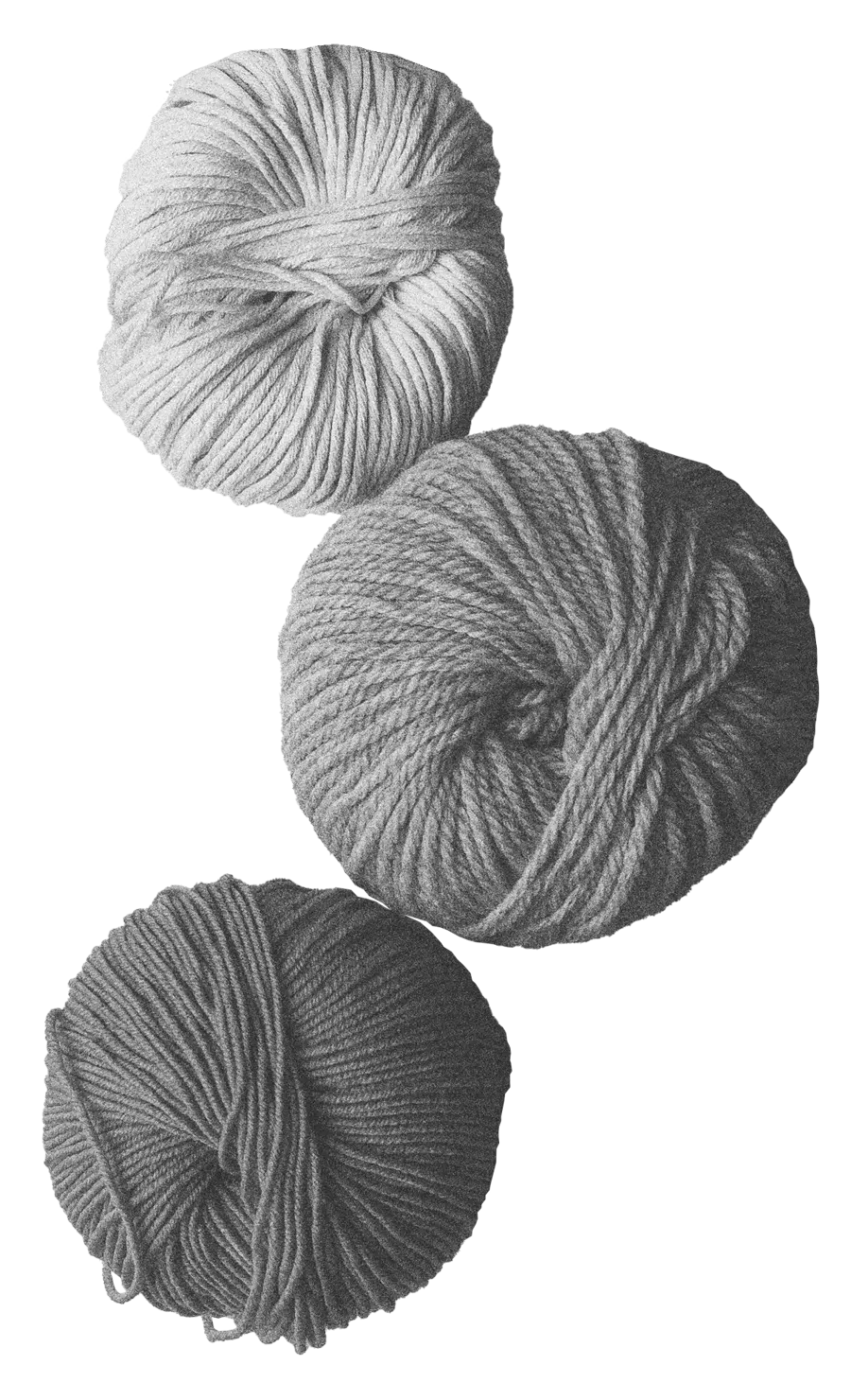
The hair of a puppet generally does not grow or change colour in the course of a performance unless it is important for the story. Puppets' hair is usually made of yarn or feather boa. Wigs made of real or artificial hair are also used sometimes. Human hair wigs are easier to care for, artificial hair tends to get tangled more quickly. Another popular material for puppets' hair is lama hair. Sometimes a puppet's hairline is just moulded and then painted. Or it is made of fabric that is given structure with PVA glue. In this case, strips of fabric are dipped in PVA, which creates structure, and the hair is then painted. String or nylon thread is also often used for hair.
Eyes
Human
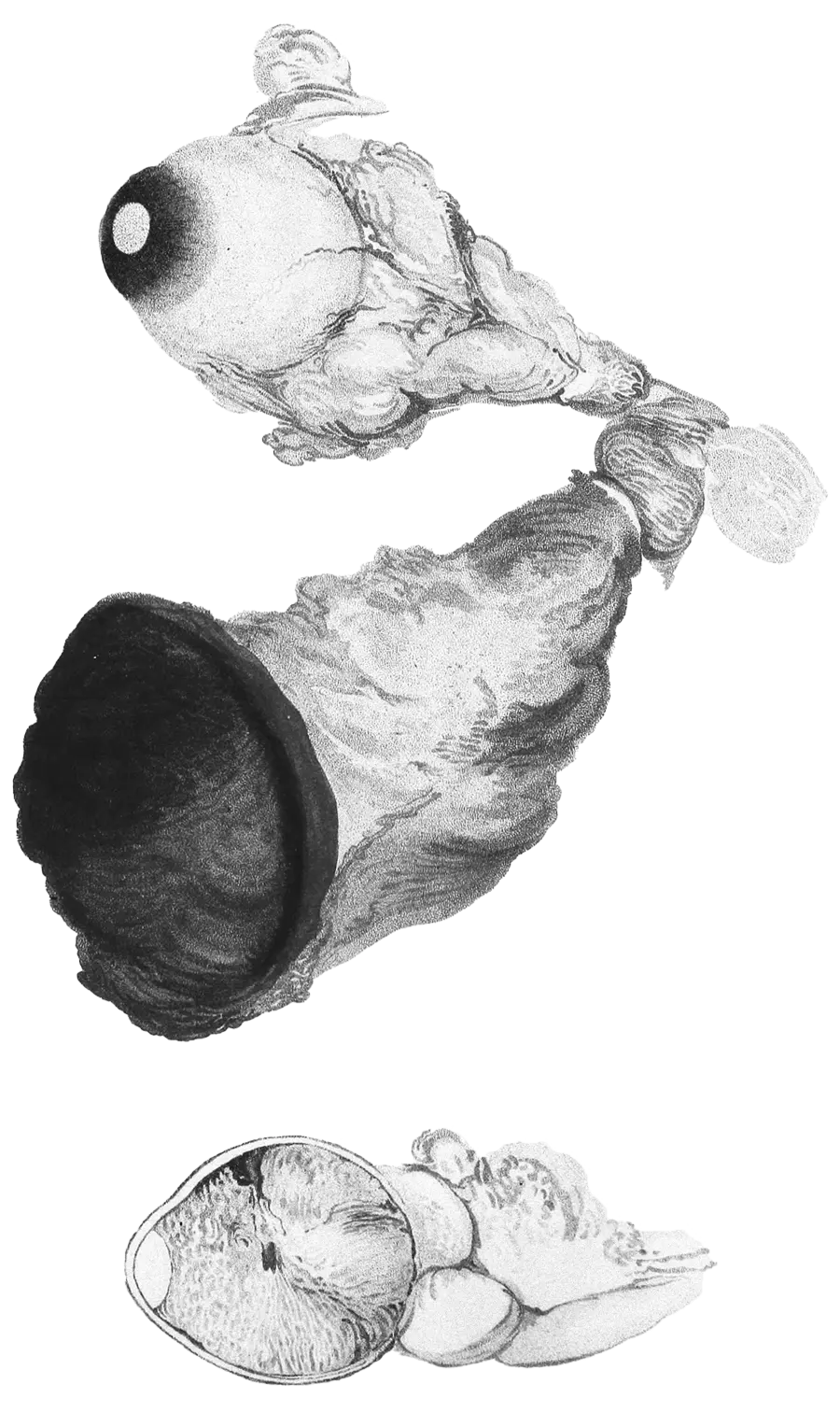
The human eyeball is a moving spherical organ that lies in the eye socket. It is covered with several layers and connected to the brain via the optic nerve. The eyeball is approximately 24 mm in diameter and weighs 7 g.
Puppet
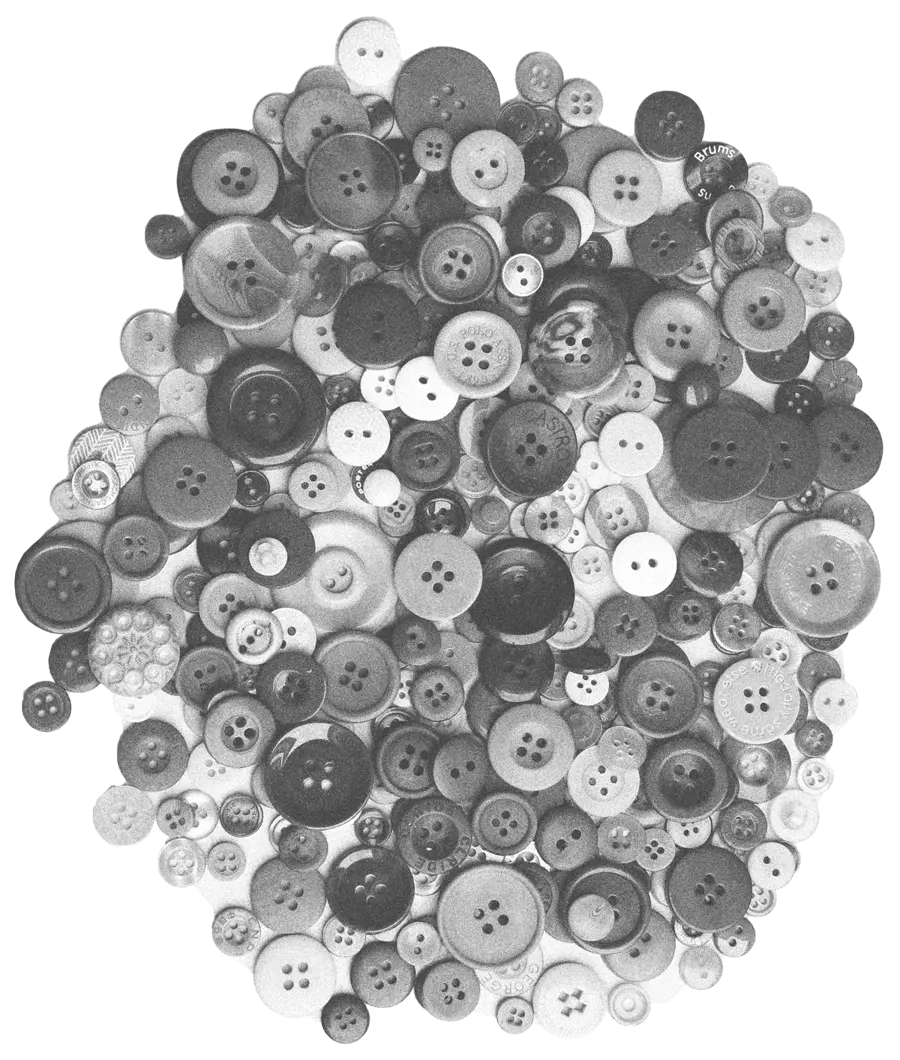
The eyes of puppets are mostly buttons or pearls. Sometimes they are even painted. Eyes are also made of plastic, glass and wood. The puppet's eyes can be moved thanks to a built-in mechanism that is operated by the puppeteer. Older puppets sometimes have little balls on a string for eyes. In that case, the eyes can be made to move simply by moving the puppet itself.
Teeth
Human
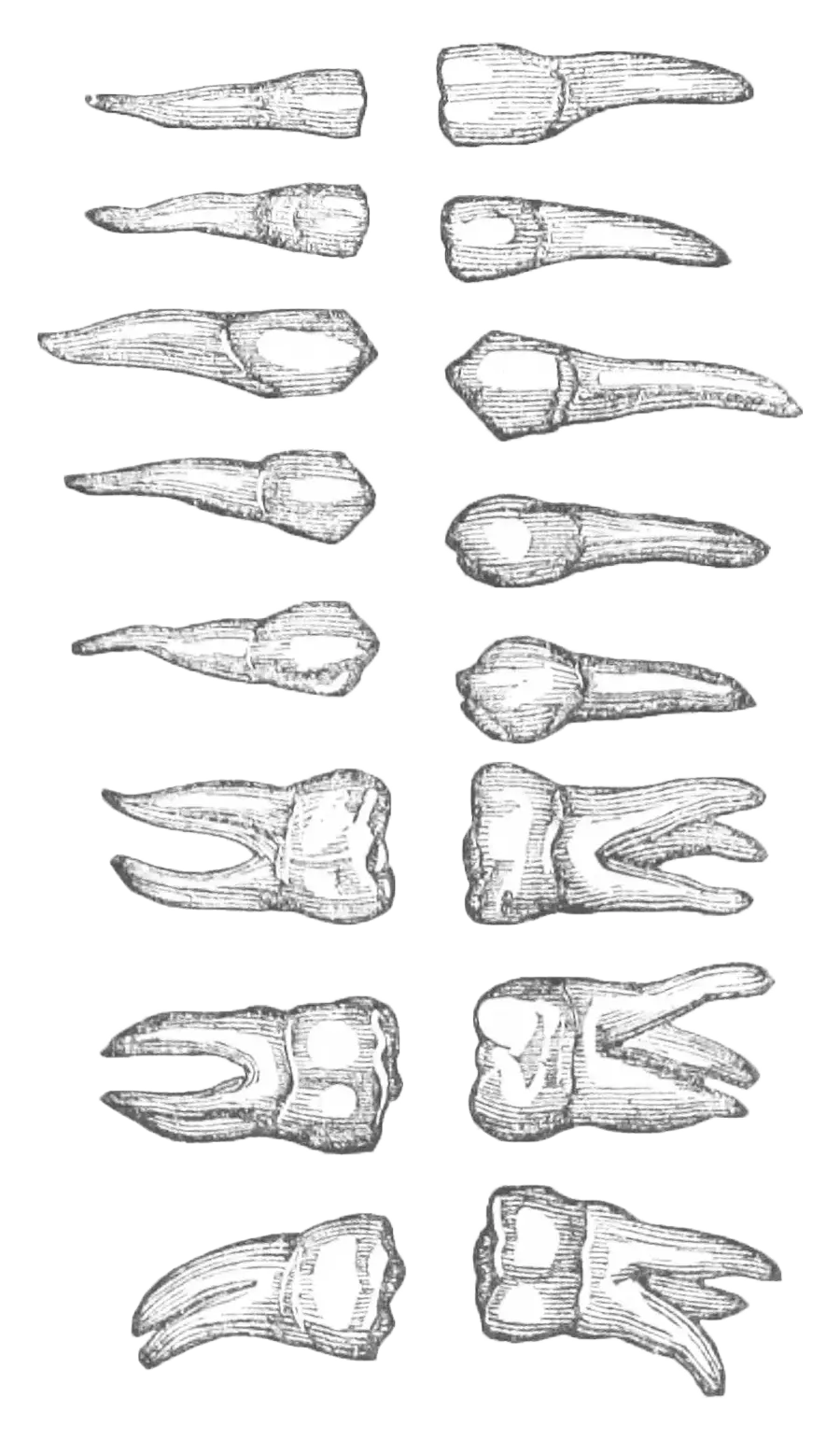
Teeth are the "tools" of the body. Differently shaped teeth cut, crush and tear food to prepare it for digestion. Teeth are covered with enamel, underneath it is dentine. Enamel is the hardest tissue in the human body. Inside the tooth, there are blood vessels and nerves.
Puppet
Puppets usually have no teeth, as these mostly do not look good on the stage. Unless teeth are specifically required in the production, they are not made. Teeth are often made of foam rubber, which is covered with fabric. Plastic is another possible material for puppets' teeth. Teeth are also cut from a thicker PVC material.
Description
A slanted black table about 80 cm tall, with a touch screen in the middle where you can read about the exhibition, listen to the text or watch a sign language video.
At the lower left edge of the screen are the exhibit number, the NFC symbol and a QR code — scanning it lets you experience the exhibition in an accessible way.
Below the screen on the right are four round buttons, from left to right:
- The button with a globe image changes the language
- The left arrow moves back in the text
- The button with a play image starts reading the text aloud
- The right arrow moves forward in the text
Sign language
The video is in Estonian sign language.
The Puppet X-rayed
X-ray
Compare a human and a puppet
Compare: Skeleton
Compare: Joints
Compare: Internal organs
Compare: Muscles
Compare: Skin
Compare: Hair
Compare: Eyes
Compare: Teeth
Simplified text
The Puppet X-rayed
Have you ever thought
what is inside a puppet
and how it moves on the stage?
At this exhibition you can look inside a theatre puppet.
The material of a puppet is never random.
The material depends on the artist's idea
and on the puppet's story on the stage.
Some puppets must be light and airy,
some puppets must look heavy.
The material also decides
how and how freely the puppet moves.
A puppet can be made of anything.
In the theatre, the material comes alive.
The puppets at this exhibition
look like us.
We can compare them to ourselves.
We can find out
if puppets have bones, muscles, eyes and teeth.
An X-ray image of a puppet shows
what is inside it.
We see the puppet's materials and mechanisms.
When we compare the X-ray images of a human and a puppet,
the puppet looks strange or "sick" –
as if the puppet had pneumonia
or had big operations.
The exhibition tells you how theatre puppets are made.
It shows secrets
that we normally do not see.
You can build a puppet yourself
and try the mechanisms inside a puppet.
X-ray
X-rays are electromagnetic radiation.
They are like light,
but X-rays have much more energy.
They go straight through materials.
There are X-rays in our everyday life too,
for example in an aeroplane.
The German physicist Wilhelm Röntgen discovered X-rays in 1895.
His experiment showed
that the rays go through materials.
We can look at the organs inside a human body
without cutting the body open.
This was a very important discovery in medicine.
Today we use X-rays
to find illnesses.
Radiographers take X-ray images.
The radiologist and the doctor look at the X-ray image.
It tells them how to treat patients.
An X-ray goes through our body.
It fades differently in different parts of the body.
Dense things, like bones, show very well in an X-ray.
We can even see
if a bone is a little broken.
X-rays go easily through fat and muscles.
They look like grey shadows in the X-ray image.
Broken muscles do not show in an X-ray.
Our lungs are full of air.
An X-ray does not show air.
It shows other things in the lungs –
for example pneumonia or a tumour.
If you swallowed a battery or a coin,
the X-ray shows that too.
An X-ray does not show wood or plastic.
After a bone operation, an X-ray shows
if everything is all right.
An X-ray shows metal joints, wires and screws in your body.
They can look like the parts of a theatre puppet.
Compare a human and a puppet!
Bones
Human
A human has 206 bones.
Bones contain water, fat and other substances.
The skeleton protects the body.
It supports the body
and moves it.
Puppet
A puppet's bones can be made of different materials –
wire, a wooden stick, a spring, string or plywood.
Hardwood trees (oak, maple, birch, ash) are stronger.
Bones can also be made of wire or a spring.
There is a string inside the spring,
so the spring does not stretch out.
The skeleton can be made of round string or flat string.
Flat string does not start to spin.
Joints – connections between bones
Human
A joint connects bones.
Thanks to joints, the body moves.
It is flexible and stable.
Puppet
Long ago, puppet joints were made of leather strips.
When the leather stretched out,
it had to be replaced.
Today, joints are made of webbing strap.
A joint can also be made of wire, wood or string.
The puppet's "joints" are glued to the "bones".
Sometimes they are fixed with nails, staples or screws.
Not all joints move.
Only those joints move
that the director and the artist want.
Organs
Human
The human body has organs (heart, lungs, liver).
The human body has more than 70 chemical elements.
These elements are in balance
if you eat healthy and varied food.
The human body has a lot of water.
Water carries nutrients and oxygen to the cells.
Blood plasma is a liquid.
Blood cells float in it.
Blood plasma also has a lot of water.
Red blood cells carry nutrients, oxygen and waste.
They are also about 70% water.
Water keeps the body temperature steady.
Water protects the important organs.
Puppet
Usually a puppet does not need organs.
A puppet has organs only
if the play needs them.
For example, the puppet of Oskar had intestines
in the play The Tin Drum.
(2023, director Taavi Tõnisson, designer Rosita Raud)
Muscles
Human
Muscles move the parts of our body.
Tendons connect muscles to bones.
Muscles and bones give our body its shape.
We have more than 600 muscles.
Muscles need energy to work.
Muscles work in pairs:
one muscle tightens and gets shorter,
at the same time the other muscle relaxes and gets longer.
The nervous system controls all of this.
Puppet
The puppet's "nervous system" is the puppeteer,
because the puppeteer makes the puppet move.
A puppet's muscles are usually made of foam rubber.
Foam rubber is light, soft and thick.
Muscles can also be made of foam plastic, papier mâché or Styrofoam.
The puppet maker glues the foam rubber and Styrofoam to the puppet's bones.
Should the muscles be soft or stiff?
The material of the muscles depends on that.
Skin
Human
Skin covers the human body.
Skin is the biggest and heaviest organ of a human.
Skin has many jobs.
It protects the body from the world outside
and feels what touches it.
With our skin we feel temperature, touch and vibration,
but also itching and pain.
Skin has several layers of cells.
Skin protects us from losing water,
from injuries,
from germs and
from the sun.
Puppet
A puppet's skin is often made of fabric.
The skin gives the puppet its look.
Different fabrics can be used, for example burlap.
If the "skin" is under the puppet's clothes,
a smoother fabric is used.
Then the puppet's clothes move more naturally.
The skin protects the puppet's muscles,
which are usually foam rubber.
Sometimes a puppet's skin is made of animal skin.
In the play Ronja, the Robber's Daughter, it was goatskin.
(2022, director Taavi Tõnisson, designer Kristel Maamägi)
Goatskin is thin.
It comes alive in the stage light.
Silicone also looks like real skin.
Sometimes no skin is needed
and paint is used instead.
If the puppet's "skin" breaks,
the puppet makers repair the puppet.
Hair
Human
A human has about 100,000 hairs on their head.
Hair grows 2–3 millimetres a week.
A hair is made of dead cells
that contain keratin.
Hair protects the scalp from the sun
and keeps the head warm.
When a person grows old,
their hair turns grey.
Puppet
A theatre puppet's hair does not grow.
The hair does not change colour either.
Puppets' hair is made of yarn or feathers.
Sometimes a puppet has a wig
made of real hair or artificial hair.
Real hair is easier to care for.
Artificial hair gets tangled quickly.
Puppets' hair can also be made of llama hair.
Sometimes the hair is made of fabric.
The puppet maker dips strips of fabric in PVA glue
and shapes them.
Then the puppet maker paints the hair.
Hair can also be made of string or nylon thread.
Eyes
Human
The human eyeball sits in the eye socket.
The eyeball is round.
It moves.
The optic nerve connects the eye and the brain.
The eyeball is about 24 millimetres wide.
The eyeball weighs 7 grams.
Puppet
A puppet's eyes are usually buttons or pearls.
Sometimes the puppet maker paints the eyes.
Eyes can also be made of plastic, glass or wood.
A puppet's eyes move –
the puppeteer moves them.
Older puppets have a little ball on a string for an eye.
The eyes of such a puppet move
when the puppet itself moves.
Teeth
Human
Teeth are the "tools" of the body.
Teeth of different shapes break up food,
so it is easier to digest.
Enamel covers the teeth.
Enamel is very strong.
Inside a tooth there are blood vessels and nerves.
Puppet
A theatre puppet usually has no teeth,
because it does not need them.
Teeth are made of foam rubber.
The foam rubber is covered with textile.
A puppet's teeth can also be made of plastic or thick PVC.